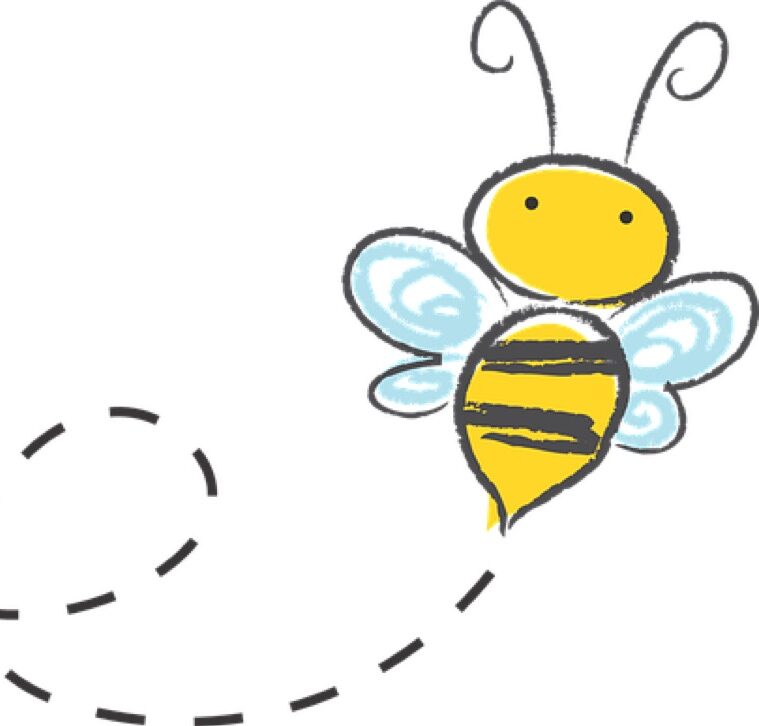
There’s no side-stepping it: our survival depends on bees and bees are in decline.
The UN has designated 20th May as World Bee Day, designed to create awareness of the importance of pollinators to the health of humans and the planet, as well as to help us all understand how we as individuals –and as a collective – can make a difference. Thankfully, we really can help.
Why are bees so important?
Bees have a massive impact on global food supply (and we’re not just talking about keeping the honey shelf stocked in the supermarket). They help 75% of all fruit- and seed-producing crops to pollinate, ensuring food production levels are where they need to be and maintaining the nutrient levels needed in our foods. Bees also increase biodiversity and the UN have stated that protecting bees and other pollinators would help to eliminate hunger in developing countries.
How can we help?
We are being asked to ‘Bee engaged in pollinator-friendly agricultural production’. Intensive farming practices, land-use change, mono-cropping, pesticide use and the higher temperatures we’re experiencing due to climate change all pose massive threats to bees. There is, of course, plenty that farmers, food growers and the government can and should do to help protect the bees, but we as individuals can all make a difference, too. Here’s how:
- Plant diverse native plants in your garden that flower at different times of the year
- Buy raw honey from local farmers
- Buy products from sustainable agricultural practices (think: organic and locally grown)
- Avoid using pesticides, fungicides and herbicides in our gardens
- Protect wild bee colonies
- Sponsor a hive
- Leave a water bowl outside for the bees
- Reduce food waste
- Spread the word about the importance of bees and the problems they are facing
To find out more, click here. Or, to educate your children/grandchildren/nieces/nephews about the importance of bees in a fun and accessible way, consider watching The Bee Movie together this weekend.